
If you’ve been shopping for a new laptop recently, you might have noticed a frustrating trend: prices are creeping up, and the “bang for your buck” seems to be shrinking. We are currently navigating what industry experts are calling the 2026 RAM Crunch.
This isn’t just a temporary supply chain hiccup; it is a fundamental shift in the global semiconductor market driven by the insatiable appetite of Artificial Intelligence. Here is a detailed look at why your next PC will likely be the most expensive one you’ve ever bought.
1. The AI Power Struggle: Data Centres vs. Consumers
The root of the problem lies in the “Big Three” memory manufacturers: Samsung, SK Hynix, and Micron. These companies have limited “fabs” (factories).
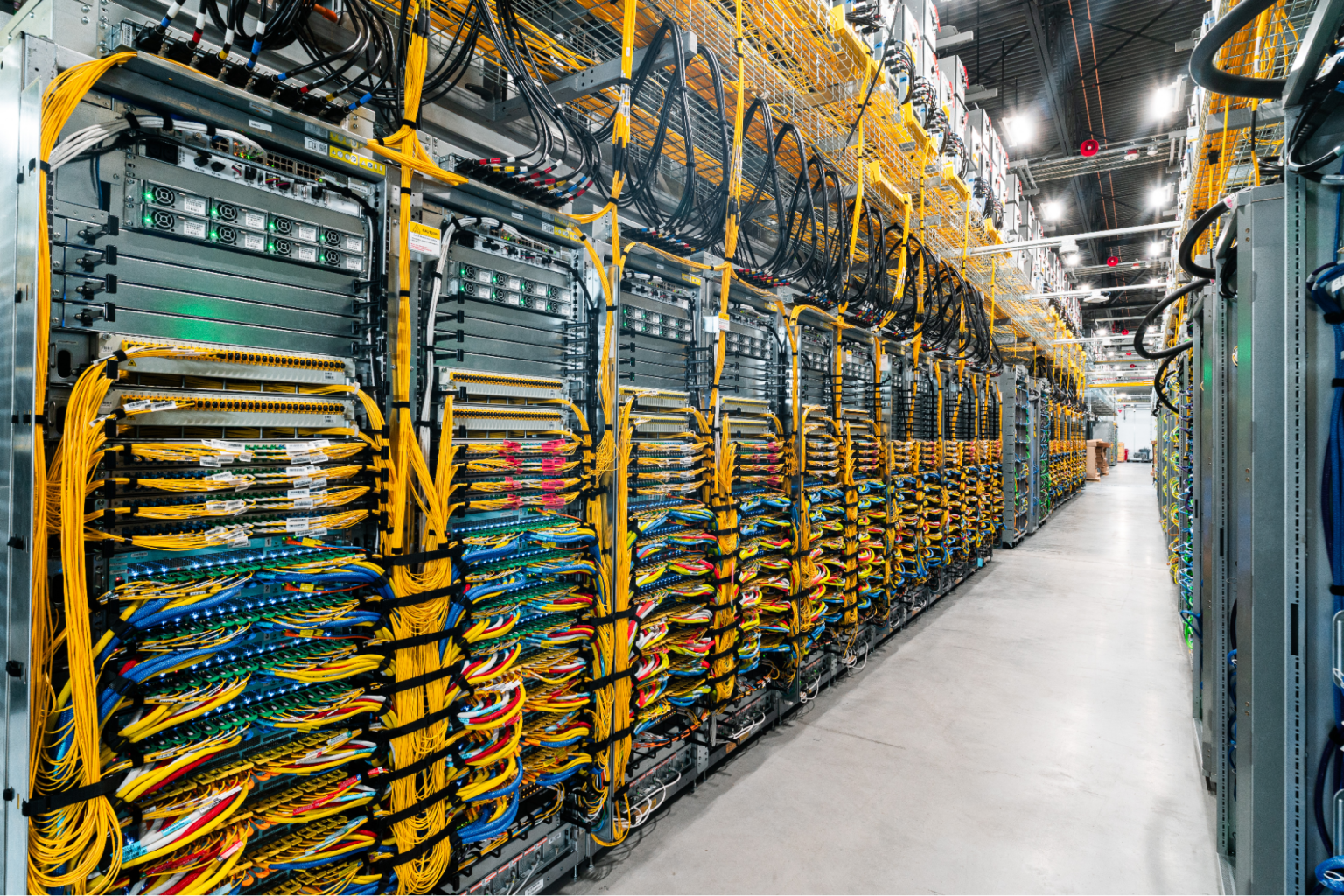
Currently, AI giants like OpenAI, NVIDIA, and Google are buying up every bit of high-performance memory they can get their hands on to power the massive data centres required for Large Language Models (LLMs). This has forced manufacturers to pivot their production lines:
- HBM over DDR: Factories are shifting from standard consumer RAM (DDR5) to High Bandwidth Memory (HBM)—the specialized, stacked memory required for AI chips.
- Capacity Cannibalization: TrendForce reports that AI hardware is projected to consume nearly 70% of global memory production this year.
- The Exit of Brands: We are even seeing giants like Micron exit the direct-to-consumer market entirely (shuttering the well-known Crucial brand for individual buyers) to focus on lucrative enterprise and AI contracts.
2. The “Hidden” Costs: It’s Not Just RAM
The shortage of memory chips is causing a ripple effect across the entire motherboard. It’s a “memory-adjacent” crisis that affects:
- Graphics Cards (GPUs): Whether you’re a gamer or a creator, the video memory (GDDR6 and the newer GDDR7) used in GPUs has seen its cost per gigabit triple in the last six months. This makes both desktop cards and gaming laptops significantly pricier.
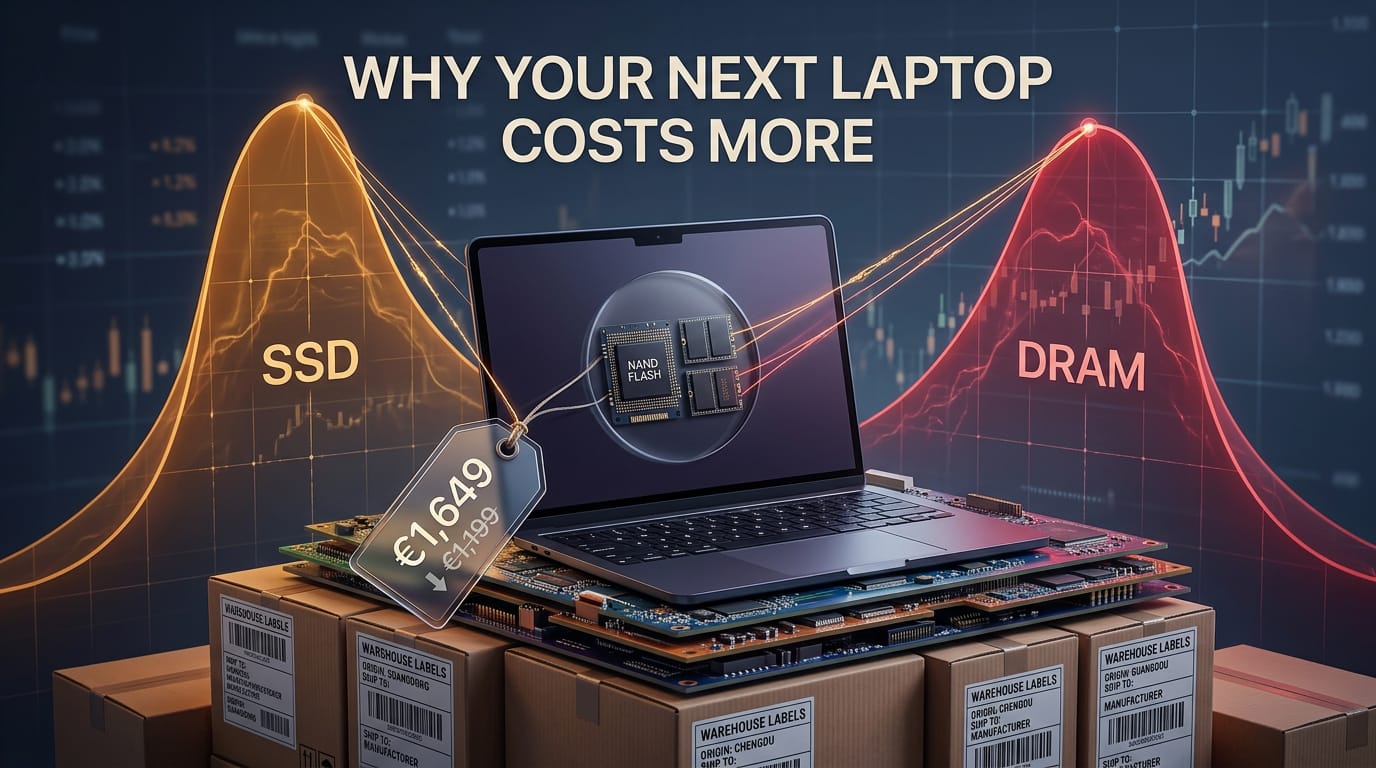
- SSD Storage: The NAND flash memory used in your SSDs is often produced in the same facilities as DRAM. When RAM production is squeezed, NAND prices often follow. We’ve seen NAND wafer prices jump as much as 60% in recent months.
- Motherboards and Controllers: As components become harder to find, the cost of the boards that house them rises, adding another $20–$50 to the base manufacturing cost of a laptop.
3. The Death of the “Budget” Laptop
For years, $500 was the “sweet spot” for a reliable student or office laptop. The RAM Crunch is effectively killing that category.
Major OEMs like Dell, HP, and Lenovo have already warned of price hikes ranging from 15% to 30%. A laptop that cost $500 last year is now pushing $650. To keep prices low, some manufacturers are even considering reverting to 4GB of RAM for entry-level machines—a move that would make those devices feel obsolete the moment they are taken out of the box.
4. The Shift to Soldered Memory
Because RAM is becoming so expensive and less available, manufacturers are looking for ways to cut costs and save space. This is accelerating the trend of soldered RAM.
- No Upgrades: In the past, you could buy a laptop with 8GB of RAM and upgrade it to 16GB yourself for $40.
- The Trap: Now, memory is often welded to the motherboard. If you want more RAM, you have to pay the manufacturer’s inflated “upgrade price” at the time of purchase, or you’re stuck with what you bought forever.
Strategy: How to Buy in the “RAM-apocalypse”
If you absolutely must buy a laptop in 2026, here is how to protect your wallet:
- Buy Today’s Inventory: Laptops currently sitting in warehouses or on store shelves were likely built using components purchased 6–12 months ago at lower prices. Once that inventory is gone, the “new normal” pricing will take over.
- The “Last Gen” Secret: Look for 2024 or 2025 models (like the Apple M3/M4 or Intel Core Ultra Series 1). While they are technically “older,” the performance gap is often negligible compared to the massive price savings you’ll find.
- Prioritize 16GB: With AI features now being baked into Windows (Copilot+) and macOS, 8GB of RAM is no longer enough. If you buy a laptop today, 16GB should be your absolute minimum to ensure the machine lasts more than two years.
- Check for “User-Replaceable” Tags: these might have a higher upfront cost, but they allow you to add more memory later when (and if) prices eventually stabilize.
The Bottom Line
The AI revolution is making our software smarter, but it’s making our hardware significantly more expensive. Until new manufacturing plants (fabs) come online—which could take until 2028 or 2030—the RAM crunch is here to stay.
E-mail: [email protected]
Tel: +972.77.540.1143